
Logistics Operations Management
Logistics Operations Management involves planning implementing and controlling the efficient flow and storage of goods, services, and information from origin to consumption. It optimizes supply chain processes—transportation, warehousing, inventory control, and order fulfillment—to reduce costs, enhance efficiency, and ensure timely customer delivery
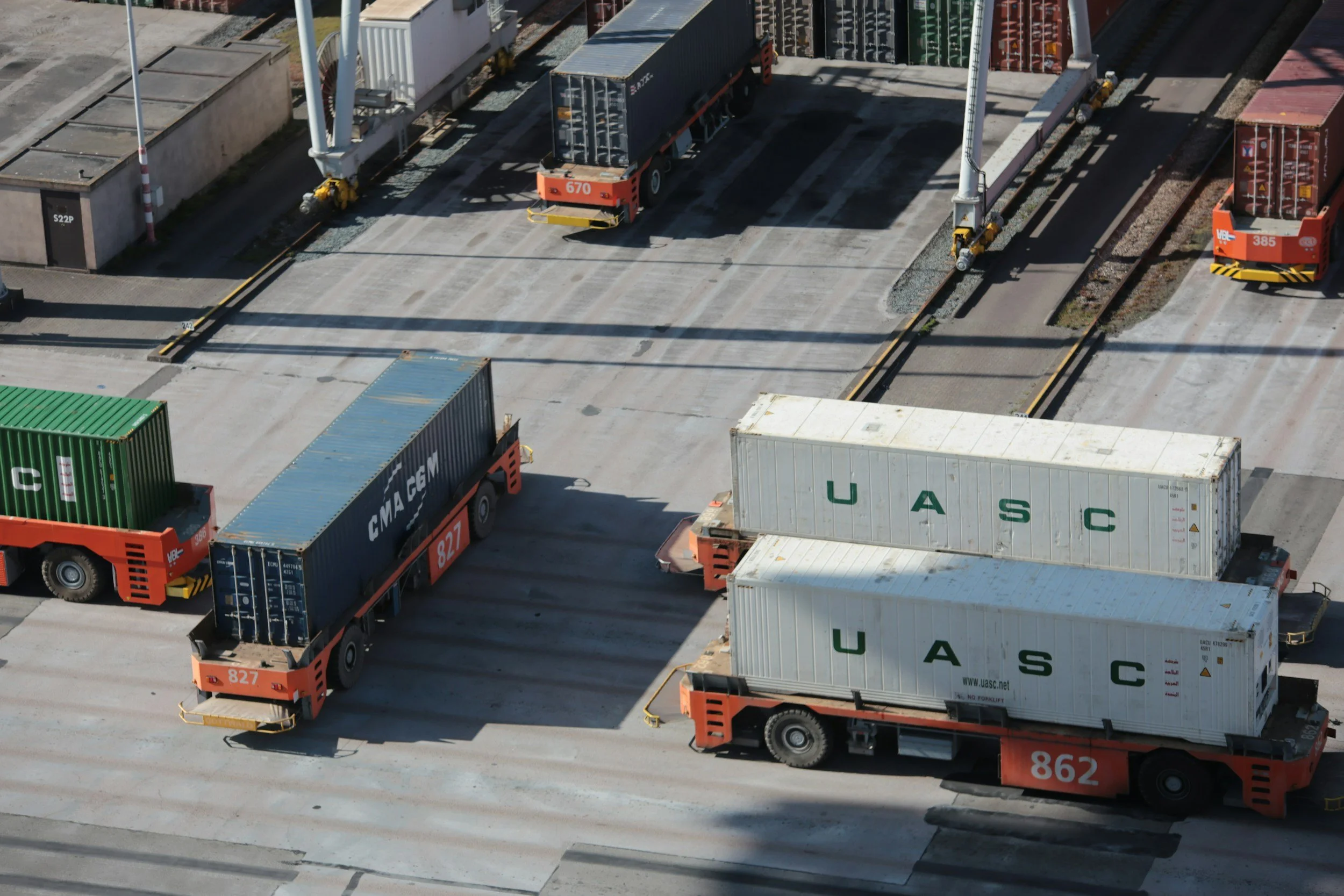
Key Components of Logistics Operations
Transportation Management: Planning and executing the movement of goods via air, sea, or land.
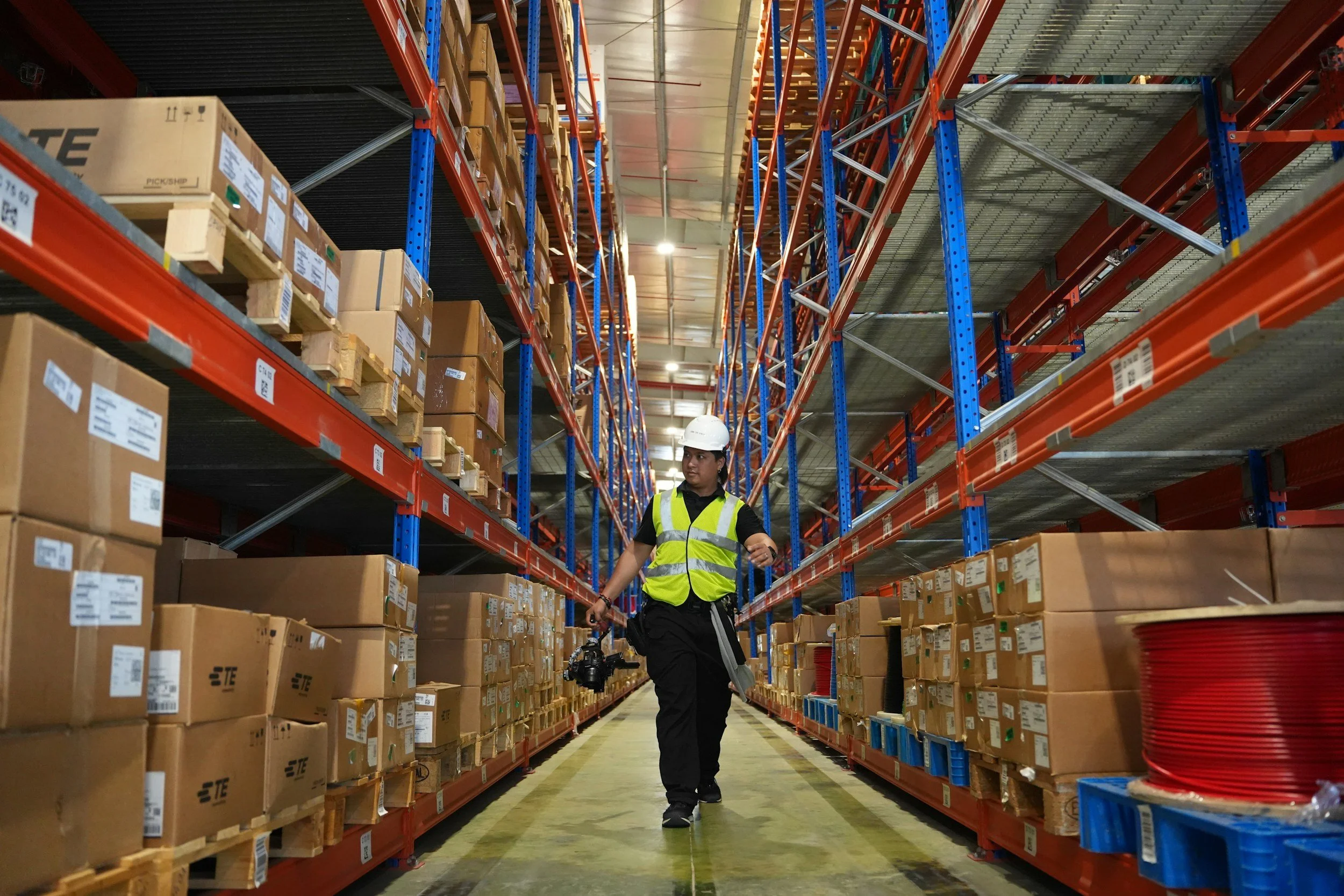
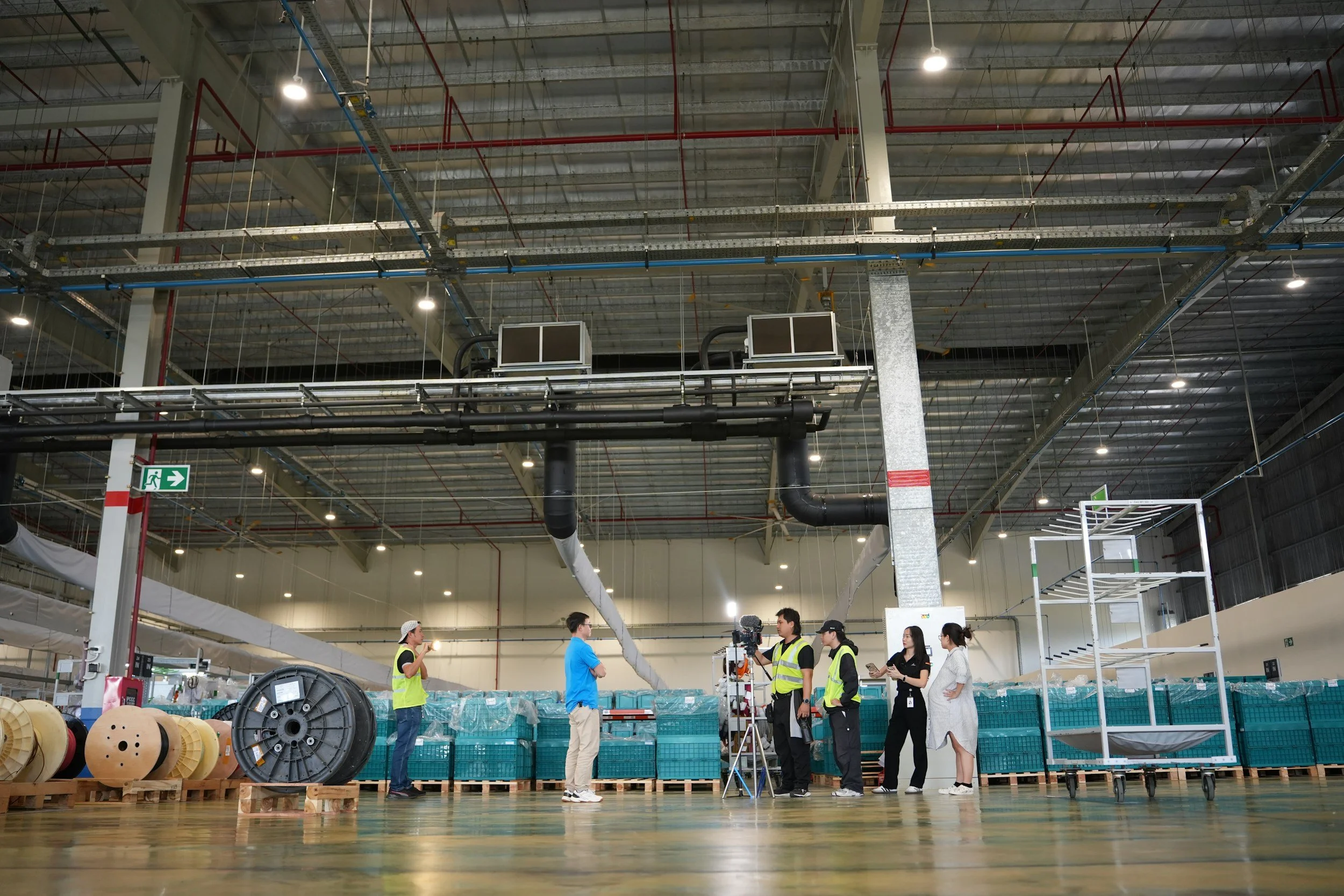
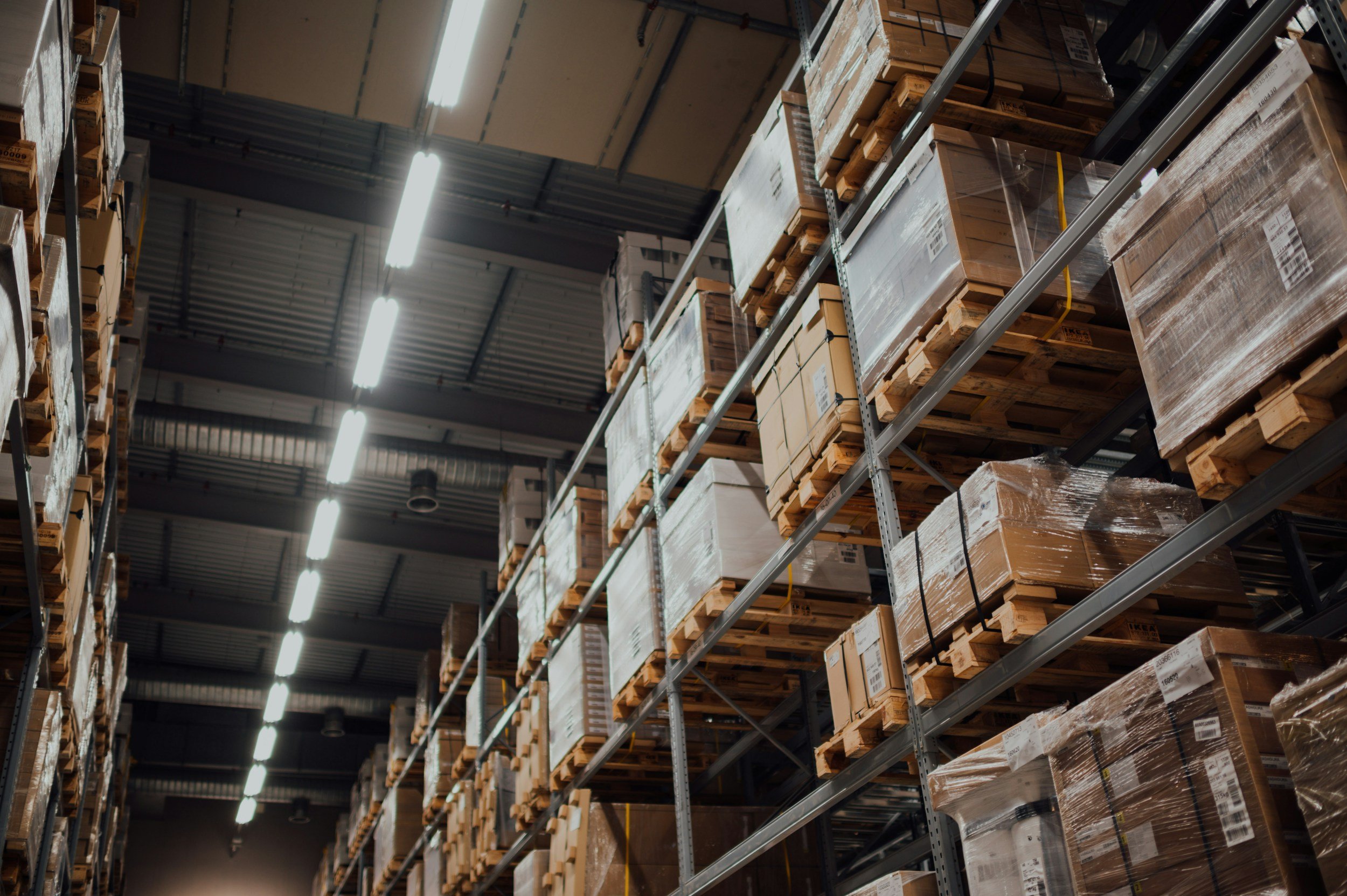
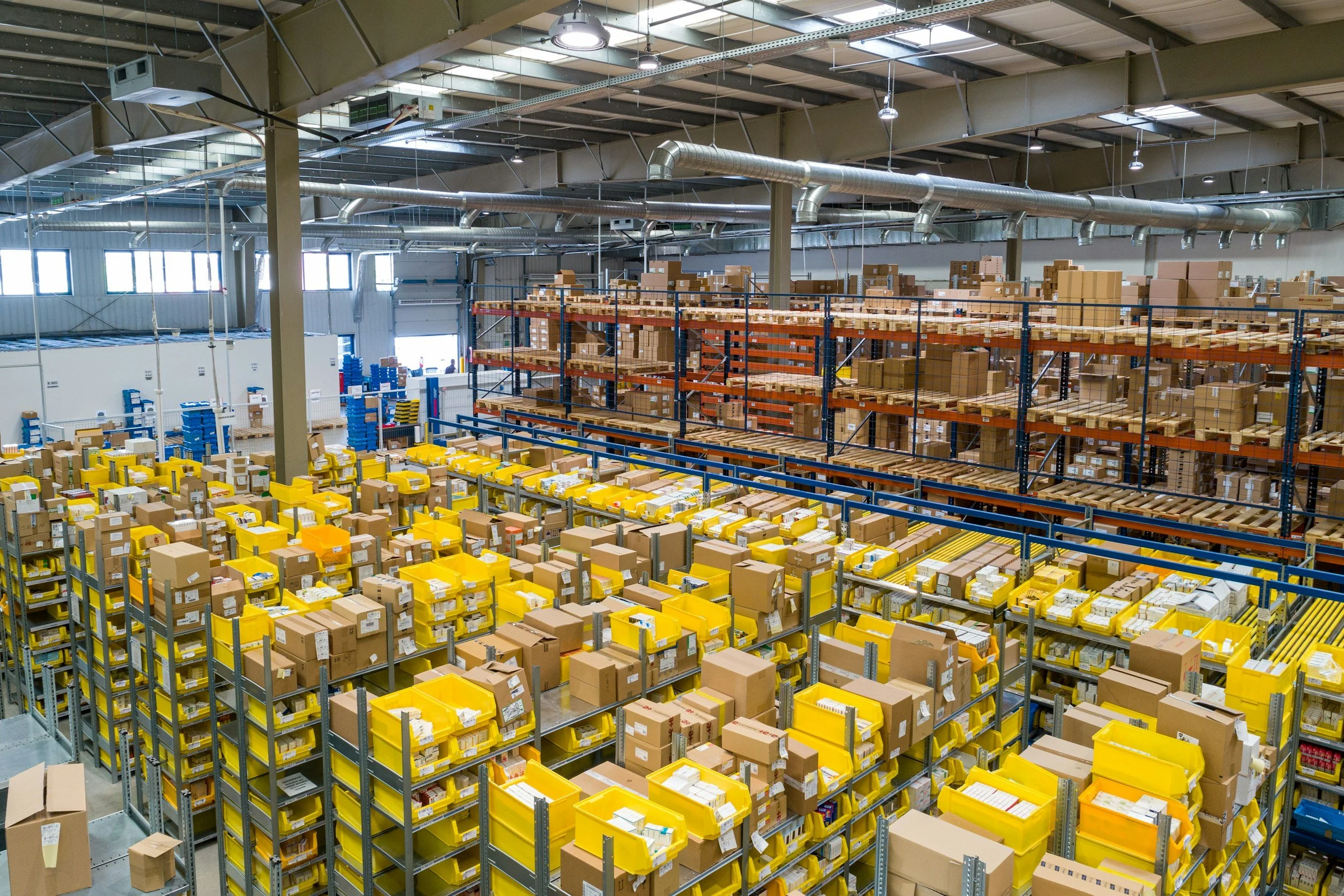
Warehousing and Storage: Managing facilities where inventory is stored, packed, and processed.
Inventory Control: Tracking stock levels to prevent shortages or overstocking, ensuring demand is met.
Order Fulfillment: Processing and delivering customer orders accurately.
Information Management: Using technology (e.g., WMS, TMS) for real-time visibility, tracking, and data analytics.
Key Types of Logistics Management
Inbound Logistics: Managing the flow of raw materials from suppliers to the manufacturer.
Outbound Logistics: Moving finished goods from the factory to the end user.
Third-Party Logistics (3PL): Outsourcing logistics tasks to specialized firms to improve efficiency.
Reverse Logistics: Managing returned products and recycling materials.
Best Practices for Optimization
Demand Forecasting: Analyzing trends to plan inventory and distribution effectively.
Technology Adoption: Implementing automation and AI for better visibility and faster decision-making.
Performance Measurement: Setting KPIs such as order accuracy, shipping time, and inventory turnover to monitor success.
Supplier Relationship Management: Strengthening partnerships to improve resilience and reduce disruptions.