
Transportation Operation
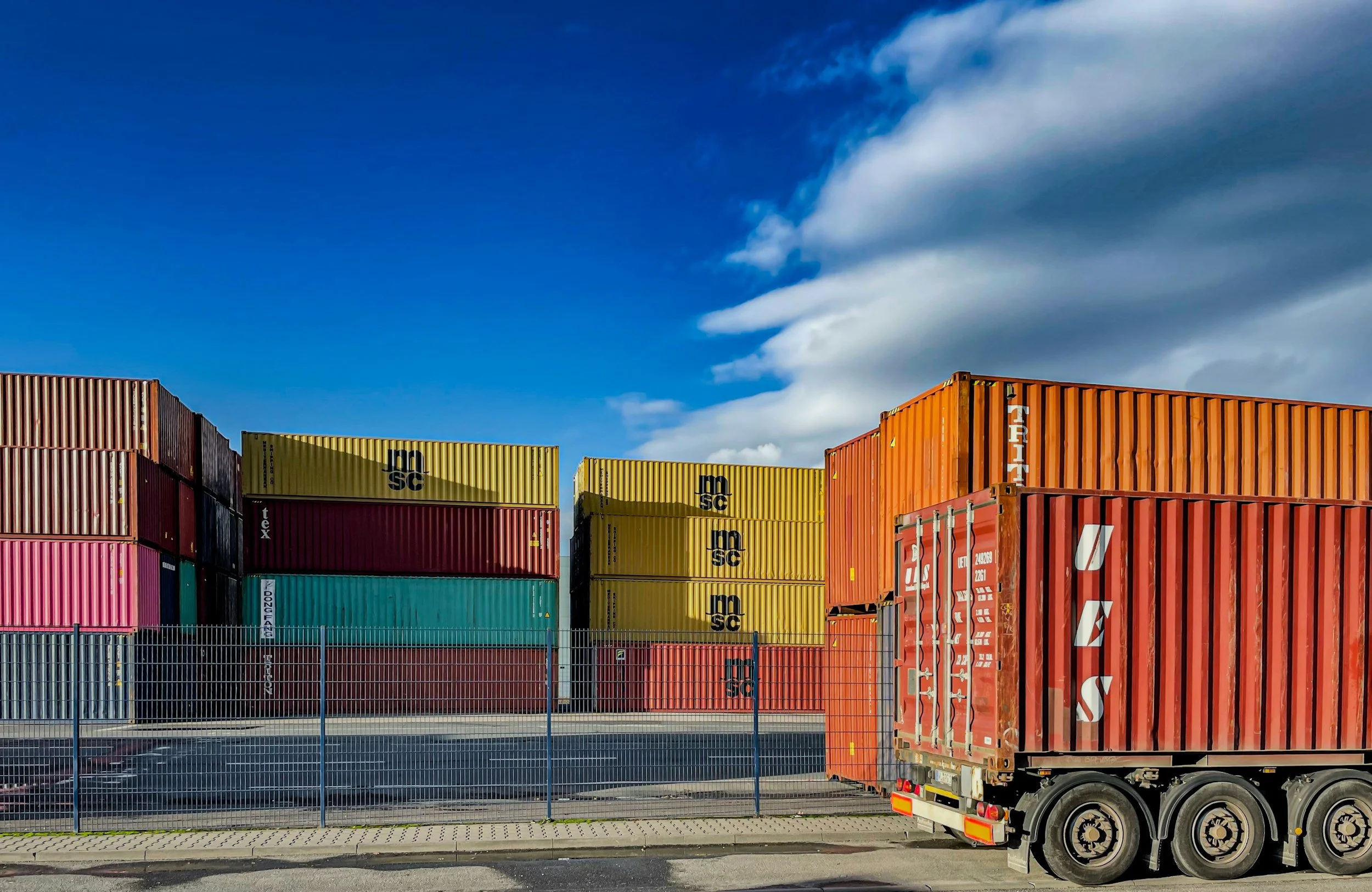
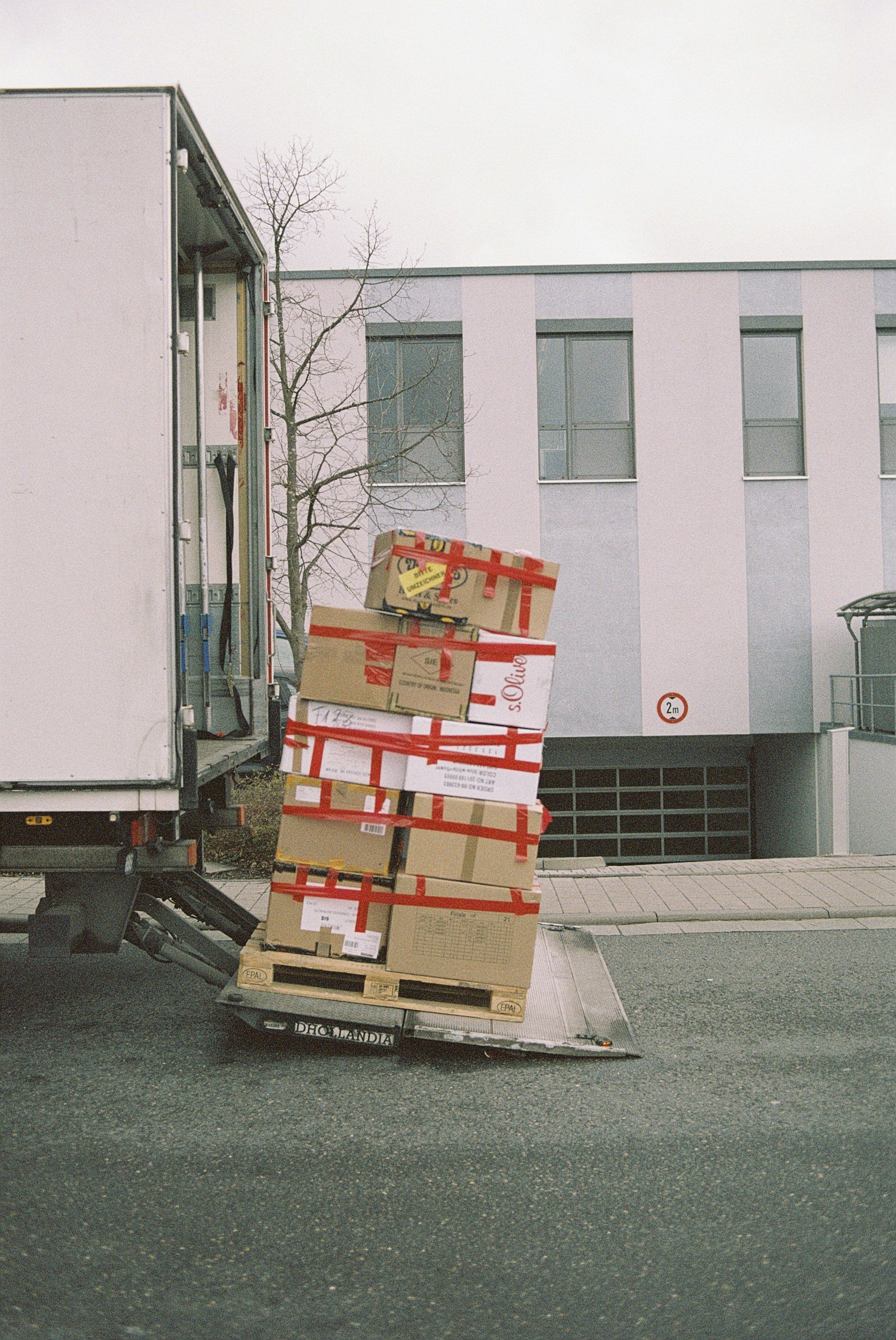
Transportation operations management involves planning, executing, and optimizing the physical movement of goods and passengers, focusing on carrier selection, route planning, fleet management, and regulatory compliance. It serves as a vital component of logistics, ensuring cost-effective, efficient transportation across air, sea, and land while meeting customer demands for speed and reliability.



Key Components and Functions
Planning and Execution: Scheduling, freight planning, and mode selection (e.g., intermodal) to optimize delivery.
Fleet Management: Maintaining vehicles, tracking fuel consumption, and managing drivers.
Logistics Coordination: Integrating warehouse activities with shipping to ensure a seamless supply chain.
Technology Utilization: Leveraging Transportation Management Systems (TMS) for real-time tracking, freight audit, and analytics.
Regulatory Compliance: Adhering to safety regulations, environmental standards, and international shipping laws.
Role of a Transportation Operations Manager
Budgeting: Managing transportation costs to increase company profitability.
Route Optimization: Selecting the best routes to improve speed and reduce costs.
Performance Metrics: Analyzing KPIs like on-time delivery percentage and cost per mile.
Customer Service: Solving delivery issues and managing customer expectations.
Key Drivers of Change
Technology: AI, IoT, and blockchain for improved visibility and automation.
Customer Demand: Need for faster, transparent, and accurate,,last-mile delivery,.
Sustainability: Focus on reducing carbon footprints in transportation networks.